How Much Does Manhole Repair Cost? What Decides the Price
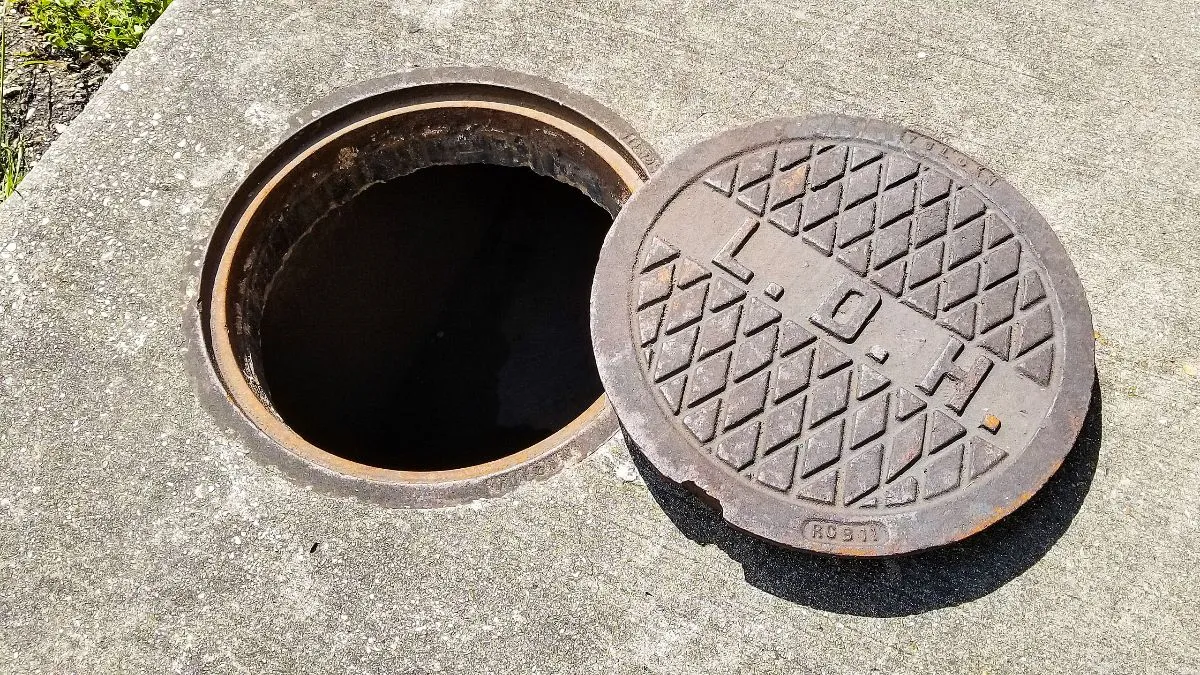
A manhole repair can mean a new cover, a re-bedded frame, repaired benching or a rebuilt chamber. Each is a different job with a different price. How to tell which one you need, what moves the cost, and when the repair is not yours to pay for.
How much a manhole repair costs depends on which part of the manhole has failed. A cracked cover, a rocking frame, worn benching at the bottom of the chamber and a chamber wall that is falling in are four different jobs, and the price rises steeply from the first to the last. The useful question is not "how much is a manhole repair" but "which part needs repairing, and what does that involve". This guide explains each job, what pushes its price up, and how to check a quote before anyone lifts a cover.
What are you actually paying for in a manhole repair?
You are paying for the part being replaced or rebuilt, the labour to do it, and the making good around it. A fair quote names the part of the manhole being worked on, rather than calling everything a "manhole repair".
A manhole, or inspection chamber, has four parts that fail in different ways. The cover is the lid you see. The frame is the metal surround bedded into the ground that the cover sits in. The chamber is the brick, concrete or plastic box below, which gives access to the drain. The benching and channel at the bottom guide the flow through the chamber and stop waste settling in the corners. Most repair quotes cover one or two of these. If a quote does not say which, ask before you agree to it.
How much does a replacement manhole cover cost?
A like-for-like cover swap is usually the cheapest manhole job, because it often needs no digging at all. The price depends mainly on the size of the cover and the load it has to carry.
Covers are made to load classes under BS EN 124, from light-duty covers for gardens and footpaths up to heavy-duty covers for driveways and roads where vehicles pass over. A garden cover on a driveway will crack again, so a correct quote asks where the cover is and what drives over it. Inside a building, the cover should be a sealed, screw-down type so smells cannot escape, and that costs more than a standard outdoor lid. If the new cover does not fit the old frame, which is common with older or non-standard sizes, the frame has to be replaced too, and the job becomes the next one on this list.
What does it cost to re-bed or replace a frame?
Re-bedding or replacing a frame costs more than a cover alone, because the surround has to be broken out and set again in fresh mortar or resin. Surface finish is usually what moves the price most.
A frame that rocks, sits proud of the ground or has cracked the paving around it has usually lost its bedding. Fixing it means lifting the frame, cutting out the surrounding surface, re-bedding the frame at the right level and reinstating the surface. On a gravel drive or a flower bed, reinstatement is quick. On block paving, it means lifting and relaying blocks. On tarmac, resin-bound surfaces or stone, making good can take as long as the frame itself and usually costs more. Ask whether the quote includes reinstating the surface to match, or only filling it back in.
What about benching, channels and chamber walls?
Work inside the chamber costs more again, because the drain has to be kept flowing or diverted while the repair is done. A full chamber rebuild is the most expensive manhole job and usually involves excavation.
Cracked or eroded benching lets waste collect in the chamber and can cause repeat blockages and smells. Repairing it means cleaning the chamber and rebuilding the benching with mortar, working around live flow. Chamber walls are a bigger job. Older London properties often have brick chambers where the mortar has washed out, bricks have fallen in or roots have pushed through. Small areas can sometimes be repointed or repaired from inside. Where the walls are failing badly, the chamber is dug out and rebuilt in brick or concrete sections, or replaced with a modern plastic chamber. Depth matters a great deal here: a shallow chamber in a front garden is a very different job from one well below ground in a basement area.
Is the manhole yours to pay for?
Not always. If the chamber serves more than one property, or sits on a pipe that is now a public sewer, repairing it may be the sewerage undertaker's responsibility, not yours.
Since 1 October 2011, most shared drains and lateral drains connected to the public network in England have been the responsibility of the sewerage undertaker, which in London is Thames Water. A manhole on your land that also takes your neighbours' waste may therefore be theirs to maintain, even though it is in your garden. A cover in the pavement or road outside may belong to the highway authority or a utility company rather than to the drains at all. Check this before you pay anyone. Our guide to who pays for drain problems in London explains how to tell whose pipe it is.
When is a manhole repair the wrong answer?
When the manhole is only showing a symptom of a problem further along the drain. Repairing a chamber that is flooding because the pipe downstream is blocked or collapsed spends money in the wrong place.
A chamber that keeps filling with water, smells after every repair or has ground sinking around it may be reacting to a defect in the pipe beyond it. In those cases a CCTV drain survey of the runs either side is the sensible first step, because it shows whether the fault is in the chamber or in the pipe. Equally, if the manhole is simply in the way of an extension or a new driveway, repairing it where it is may be pointless; our guide to what it costs to move a manhole covers that route instead.
How do you compare manhole repair quotes?
Make sure every quote describes the same job: which part of the manhole, what it will be replaced with, and how the surface will be finished. Two quotes for "manhole repair" can describe very different amounts of work.
- Which part is being repaired: cover, frame, benching, walls, or a full rebuild?
- What load class is the new cover, and is it sealed if it is indoors?
- Does the price include breaking out and reinstating the surface to match, and in what material?
- Is waste removal included, or charged separately?
- Will the drain be checked by camera, and is that in the price or extra?
- What happens, and what do you pay, if the chamber turns out to be in worse condition once opened?
We price each of those jobs as its own item on our manhole repair service, and agree the figure before work starts. Whoever you use, ask for the price in writing with the scope described, so the invoice has to match what you agreed.
Frequently asked questions
Can I replace a manhole cover myself?
On your own private drain, a like-for-like cover that fits the existing frame can be a straightforward swap, as long as you choose the right load class for where it sits. If the frame is loose or damaged, the cover is on a shared or public sewer, or it is inside the building and needs to be sealed, it is better done by a drainage contractor.
Why has my manhole cover cracked?
Most often because the cover is the wrong load class for what drives over it, or because the frame has lost its bedding and the cover now rocks under weight. Replacing the cover alone will not last if the frame is the real problem, so ask for the frame to be checked at the same time.
Does home insurance cover manhole repairs?
Sometimes. Buildings policies may cover accidental damage to drains and chambers, but wear and tear, such as washed-out mortar in an old brick chamber, is usually excluded. Check your policy wording and ask your insurer before booking work if you intend to claim.