How Much Does It Cost to Move a Manhole? What the Price Covers
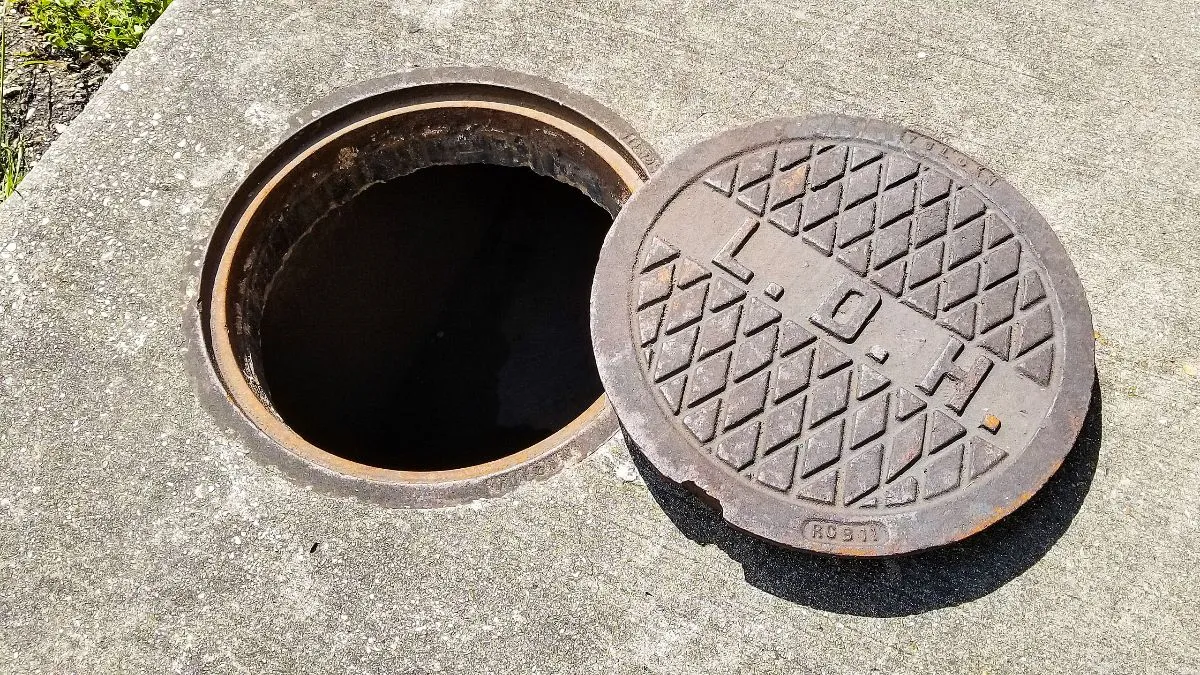
People ask what it costs to move a manhole when they plan an extension, a driveway or a new patio. The honest answer starts with what the chamber serves and who owns it, because that decides the price and the paperwork.
The cost of moving a manhole depends on the drain underneath it, not the cover on top. A manhole or inspection chamber sits where drain runs meet or change direction, so moving it means building a new chamber and rerouting every pipe that connects to the old one, at the right depth and fall. That is excavation, drainage and reinstatement work, and the price follows how deep the chamber is, how many branches join it, what surface is on top and whether the drain belongs to you or to the sewerage undertaker. Before any of that, it is worth asking whether you need to move it at all.
Why do people move a manhole?
Most requests come from building work: a rear extension, a kitchen knock-through, a new driveway or a garden redesign where the chamber sits in the way. Occasionally it is because the chamber is damaged or sits at the wrong level after landscaping.
The reason matters, because it shapes the options. A chamber in the footprint of an extension may be better dealt with inside the building than moved. A chamber that simply looks untidy in a new patio is often a cover problem, not a drain problem. A cracked or broken chamber is a repair, covered on our manhole repair page, and may not need to move anywhere.
What decides the cost of moving a manhole?
The main cost drivers are depth, the number of connections, the surface above, access to the site and the reinstatement needed afterwards. A shallow chamber with one pipe in and one out, under soil, is at the simpler end; a deep chamber with several branches under a driveway is at the other.
Depth. The deeper the drain, the more excavation, the more spoil to remove and the more care needed to support the sides of the trench. Deep excavations also take longer to backfill and compact properly.
Connections. Every branch that currently enters the old chamber has to be picked up and connected to the new one, keeping a workable fall so waste still flows. A chamber that collects the kitchen, a bathroom and a rainwater pipe is a bigger job than one on a straight run.
Surface and access. Breaking out and relaying block paving, concrete or a tiled patio adds time and materials. In a terraced house with no side access, spoil and materials may have to be carried through the property, which slows everything down.
Reinstatement and checks. The ground and surface need restoring, and the new layout should be checked on camera and, where building control requires it, tested before backfilling. A quote that leaves out reinstatement is not a like-for-like comparison with one that includes it.
Is the drain yours or a public sewer?
If the chamber serves only your property, it is a private drain and moving it is your decision, subject to Building Regulations. If it also serves a neighbour, it is very likely part of the public sewer network and you need the sewerage undertaker's agreement before touching it.
Since October 2011, drains shared by more than one property and connected to the public sewer have generally belonged to the sewerage undertaker, which in London is Thames Water. A chamber in your garden that your neighbour's waste passes through is very probably theirs, even though it is on your land. Our guide to drain ownership in London explains how to tell.
Moving or diverting a public sewer is done under an application to the undertaker, the applicant normally pays for the work, and it takes longer than moving a private chamber. Building close to or over a public sewer without diverting it usually needs a build over agreement instead. If you are unsure where your drains run, a drain tracing visit settles it before you commit to a design.
What approvals are needed?
Altering a drain is building work under Part H of the Building Regulations, so moving a private manhole normally needs building control to be notified, usually through the same application as the extension or project it is part of.
Building control will want the new chamber positioned so the drain can still be inspected and cleared, with falls and access that meet the regulations. On larger projects the drainage layout is usually drawn up alongside the architect's plans. Factor in the time for approval as well as the cost; the work itself is often the quickest part.
When not moving it is the cheaper answer
Often the cheapest way to deal with a manhole in the way is to leave the drain alone and change the cover. That is worth checking before anyone prices an excavation. If the chamber can stay where it is but needs work, our guide to manhole repair costs breaks down cover, frame, benching and chamber repairs.
For a patio or driveway, a recessed cover tray lets the chamber be finished with the same paving or tiles as the surrounding surface, so it almost disappears while remaining accessible. For a chamber that ends up inside an extension, the regulations allow access points within a building provided they have a suitable sealed, mechanically fixed cover, and that can be far cheaper than rerouting the drain around the new footprint. Raising or lowering a chamber to a new ground level is also a smaller job than relocating it.
What you should not do is bury a chamber. A drain with no accessible inspection point cannot be cleared or surveyed without digging, and that cost lands on you or the next owner the first time it blocks.
How to get a price you can compare
Get the drain surveyed before you ask for prices, so every contractor quotes for the same scope. A camera survey shows the depth, the connections and the condition of the pipes, which are exactly the things that move the price.
Then ask each contractor to itemise the excavation, the new chamber, the reconnections, the testing and the reinstatement, and to say whether VAT and building control fees are included. Our published rate card shows how we charge by service and time band, and if you send us the drawings or photos we will tell you whether moving the manhole is the right job at all.
Frequently asked questions
Can I move a manhole myself?
Altering a drain is notifiable building work, so even on a private drain the new layout has to meet Building Regulations and be inspected. On a shared drain it is very likely a public sewer and you need the sewerage undertaker's agreement first. Getting falls and connections wrong leads to repeated blockages, which is why this is rarely a job to do without a drainage contractor.
Can a manhole be inside an extension?
Yes, in many cases. The regulations allow access points inside a building where they have a suitable sealed and mechanically fixed cover. It is often cheaper than moving the chamber outside the new footprint, but building control has to agree the arrangement, and a chamber on a public sewer also needs the undertaker's approval.
Who pays to move a manhole on a shared drain?
The person who wants it moved normally pays, even where the drain is a public sewer owned by the sewerage undertaker. The undertaker has to approve the diversion and may carry it out or oversee it, but the cost of the work is usually recovered from the applicant.